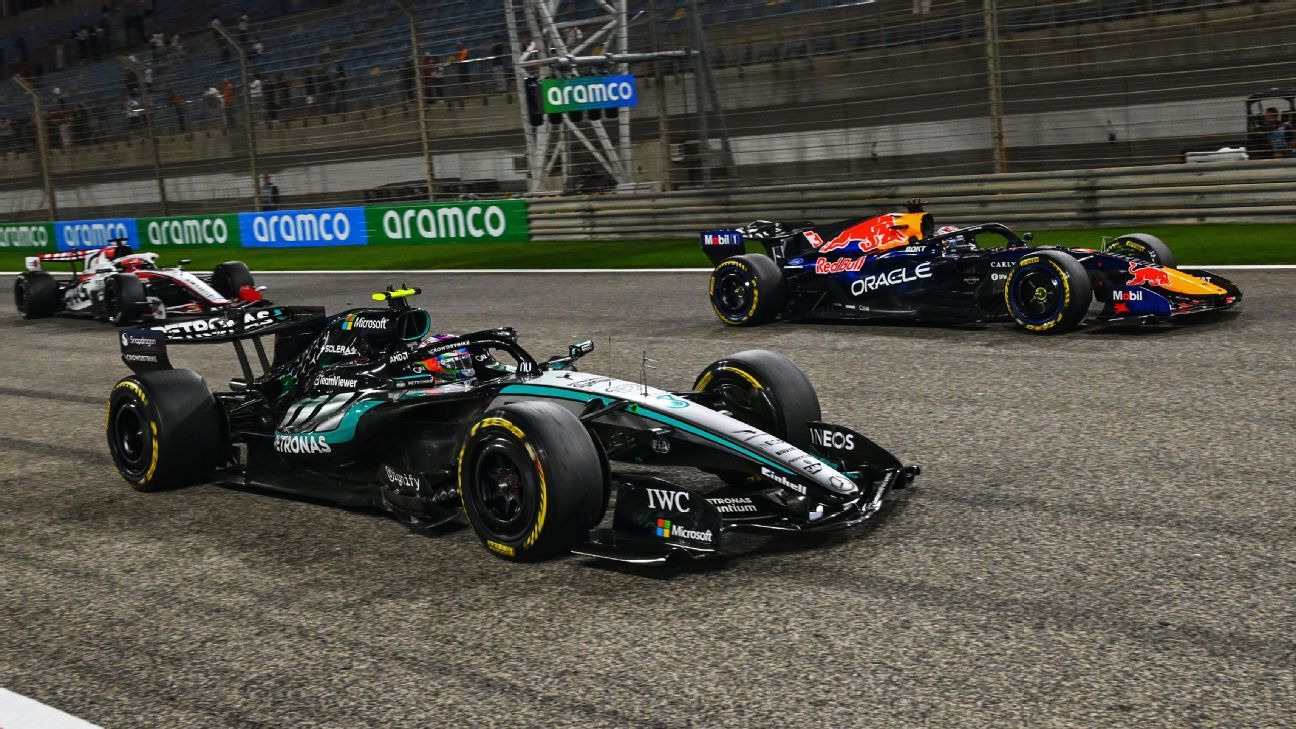
The 2026 Formula 1 season marks a new chapter with comprehensive updates to car regulations, aiming to enhance competition and sustainability. Teams have been diligently preparing for these changes, which are set to influence vehicle performance, aerodynamics, and racing strategies.
One of the most notable updates involves the redesign of the cars' aerodynamics. The new rules emphasize ground effect principles, allowing for closer racing and more overtaking opportunities. This shift is expected to reduce the reliance on complex wing designs and promote more stable racing conditions.
In addition to aerodynamics, the power units are undergoing significant modifications. The new engines will feature increased electrical power and more efficient hybrid systems, aligning with F1's push towards sustainability. These changes aim to deliver more power while reducing emissions, reflecting the sport's commitment to environmental responsibility.
Furthermore, the chassis specifications have been adjusted to improve safety and performance. The new regulations mandate stronger crash structures and standardized components to ensure driver safety without compromising vehicle agility. Teams are also exploring innovative materials and construction techniques to gain competitive advantages within the new framework.
The impact of these changes extends beyond technical specifications. Race strategies will evolve as teams adapt to the new car behaviors and tire management requirements. Closer racing dynamics are anticipated, which could lead to more unpredictable and exciting competitions throughout the season.
Overall, the 2026 F1 regulations represent a significant step forward in the sport's evolution. By focusing on sustainability, safety, and competitive racing, these updates aim to make Formula 1 more thrilling for fans and more aligned with modern technological standards. As teams continue to refine their designs, the upcoming season promises to be one of the most innovative and competitive in recent history.